By Michael French, MA, LPC
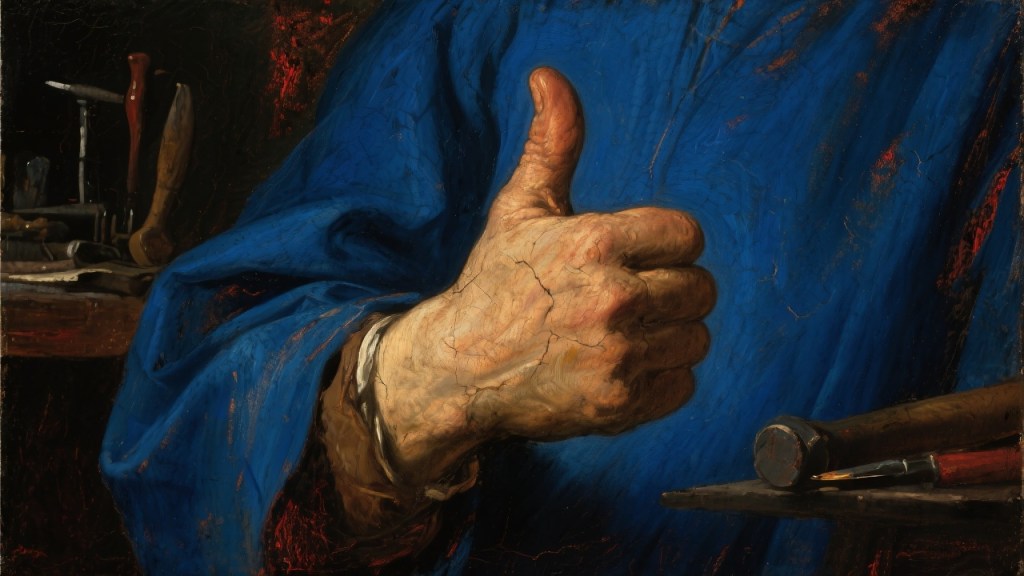
Thumbs up has been around for thousands of years. In Ancient Rome, it was believed to signal approval or disapproval during the gladiatorial games. One of my all‑time favorite movies, the Russell Crowe masterpiece Gladiator, brought that image to life — the emperor raising his thumb to spare a fighter or turning it down to end a life. The roar of the Colosseum crowds often influenced the decision. Life or death, decided in a single gesture.
During World War II, fighter pilots used the thumbs up to signal readiness. Decades later, in the 1970s, Happy Days gave it a whole new meaning as The Fonz made the gesture iconic.
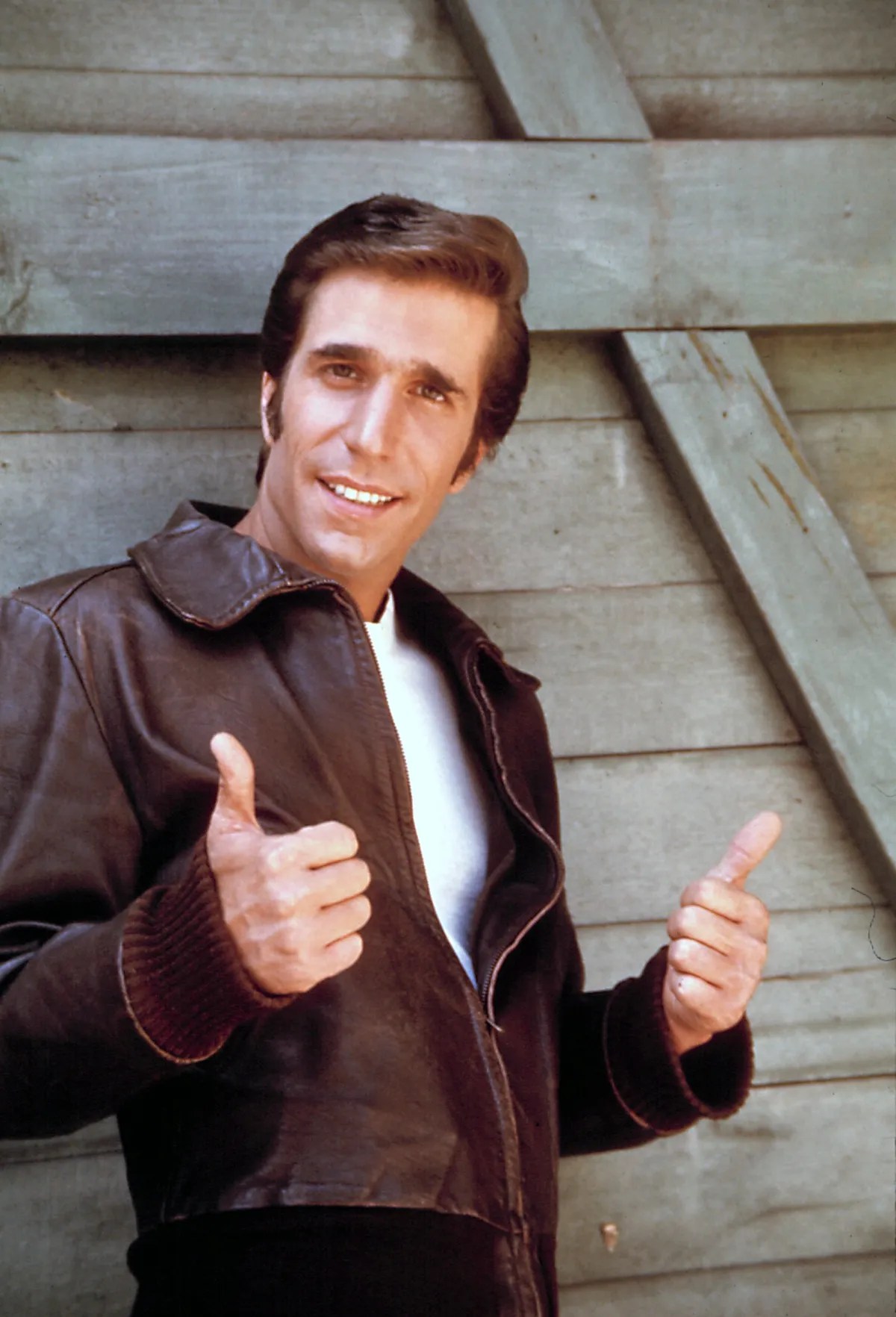
The Fonz, played by the immortal Henry Winkler, turned the thumbs‑up into a symbol of coolness and total confidence. And of course, his famous catchphrase sealed it: “Ayyy!” When I was around seven or eight, I wanted to be just like him. In Cub Scouts, we even held elections to choose a mascot for our little pack — and naturally, we chose Fonzie. Growing up, that’s what I thought the thumbs‑up meant. Coolness. Popularity. Approval.
By the early ’90s, the meaning shifted again. It still carried that cool factor, but now it came with a touch of swagger — a little bit of “bad‑assery,” as we liked to call it back then.
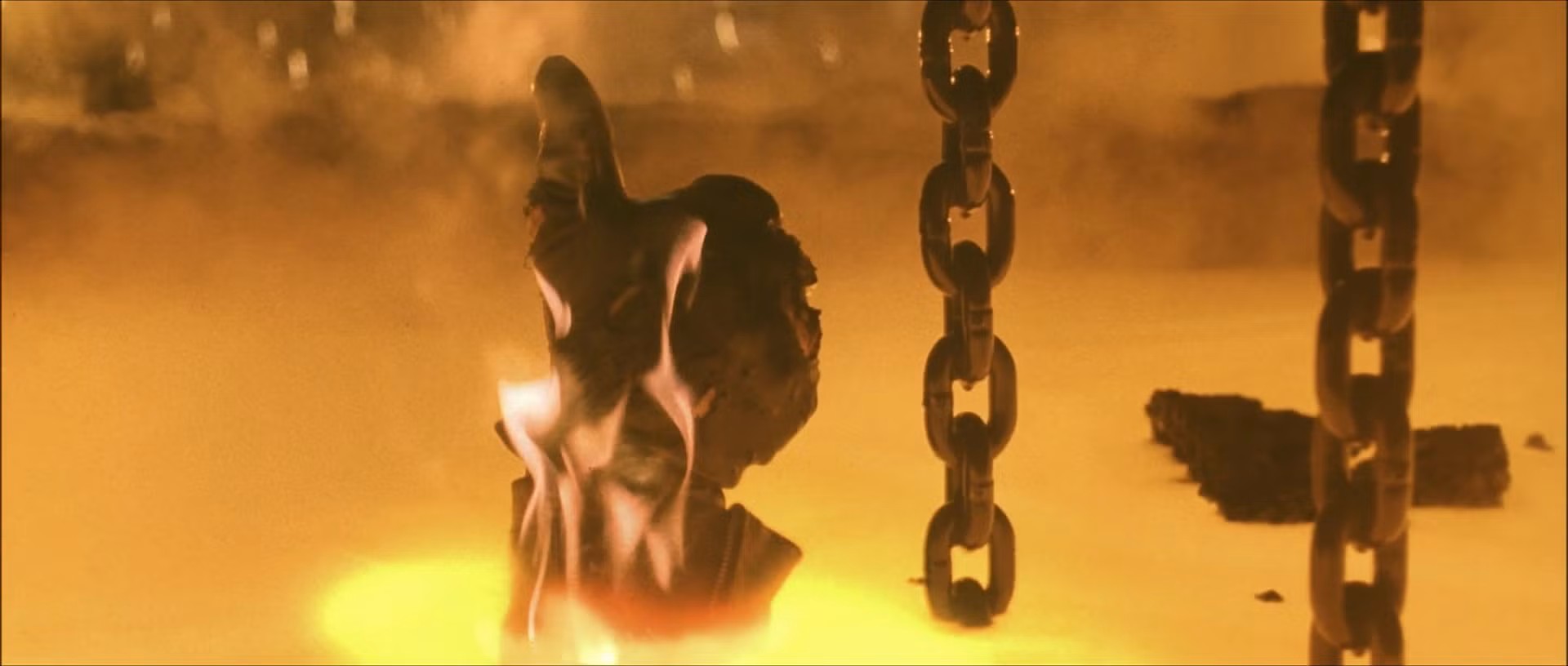
Terminator 2 was one of the biggest movies of the year when it was released — a sequel to the film that launched Arnold Schwarzenegger into international fame. At the end of Terminator 2: Judgment Day, as the Terminator is lowered into molten steel, his final act is a simple thumbs‑up. No words. No speech. Just that one gesture — a mix of courage, sacrifice, and quiet reassurance. For a lot of us growing up in that era, that moment cemented the thumbs‑up as the ultimate symbol of strength. Coolness wasn’t just about popularity anymore. It was about resilience, confidence, and the ability to face the fire with a steady hand.
Thumbs Up means Approval?
Get ready for a raw post from me. Today we’re taking a dive into validation and approval. While this gesture in some cultures became a way of giving affirmation or a job well done, earlier versions of it carried confidence — the toughness of the Terminator or the coolness of The Fonz. They didn’t need approval; their validation seemed built into who they were. I know we’re talking about fictional characters, and one isn’t even human. But in real life, some people had that same swagger. They didn’t need validation because they were secure in their identity. Somewhere along the way, many of us stopped feeling that kind of security, and the race to find approval began. And with social media being such a growing influence, some of us even count the number of thumbs‑ups and likes to see who approves of what we post.
During graduate school, when I was working on my master’s degree, I discovered new phrases and concepts: Approval Addict, the Poser, and Imposter Syndrome. Where did this longing for approval from others start? Why is it hard for some to accept the validation of a few instead of the masses? This has been one of my struggles for a long time. These phrases may sound different, but I think all of them are rooted in the desire to matter — to know we are enough and good enough.
Athletes talk about how hard it is when the applause fades. Entertainers feel it when the spotlight shifts or the crowd thins. When your identity gets tied to performance, approval becomes oxygen. And when the oxygen drops, so does your sense of worth.
I’ve felt that too — not on a stage or a field, but in quieter ways. In client numbers at work. In writing. In relationships. In the places where I hope someone will say, “You matter,” and sometimes the silence feels louder than the affirmation.
I’ve already shared about growing up with my dad. It’s become clear to me that he struggled to show approval because he never received it himself. Slowly, I began to associate approval with how many good things I did or how closely I conformed to his way of living — which I didn’t always do. That dilemma still follows me today. Even as I type this, I think about my writing. If it doesn’t get much response, I start questioning its value. Dad’s been gone for a while now, and as family gets older — my mom, our kids moving into their own lives — I sometimes question my role in all of it. When people don’t reach out or show interest, that old need for approval wakes up again.
My mother is 87. She’s private, which is why I haven’t written about her as much as I have about my dad. I don’t hear words like “I’m proud of you.” I’ve learned that many people long for that from their parents — their validation, their approval, their blessing. I’m no different. But I’m 59. I’m happily married, have a great job, and I’ve found new joy in writing. My wife encourages me. I have friends who validate me. So why do I still need it? Why do I need hers?
When I was a teenager, my mom showed approval more than my dad did, but she rarely said it outright. She showed it in small ways. In college, she knew how important my faith was to me. One Christmas she gave me an Amy Grant Christmas cassette — this was the ’80s, when CDs were just starting to appear. Another year she made an embroidery piece: a blue plastic outline of a church with fabric in the middle that said “Praise the Lord.” That was her way of showing approval. She didn’t say it, but she modeled what she had learned from her own parents — people I loved deeply, but who also struggled to express validation. I asked her once if my grandparents ever shared validation with her. The answer was no. So equally for her, it has been hard to actually say it. My love language is words of affirmation, and that is not hers.
And that leads me down a tricky slope. Am I being selfish for wanting to be heard? For my family — especially someone like my mom — to be proud of me? For wanting my work to matter to someone? In February 2026, when I began writing Journey Into Grace, no one was reading it. My wife was out of town for a couple of months. The only person who could validate the work was me — and for a while, that was enough. But when things started opening up, I began posting pages, asking others to read, hoping for feedback. I wanted to know if the work was valid. And deep down, I wanted to know if I was valid. I even sent a link to my mom for her to look at the book. That was months ago, and she still hasn’t read it. Deep down, I wanted her to say she was proud of me and that she liked what I wrote.
This is a deep wound I work on daily. When validation feels thin, I can spiral. If I’m not careful, doubt takes over and I can begin to question many things.
Helen Lee Moon wrote something on LinkedIn that stopped me in my tracks. She said it boils down to the need to be loved and valued by the ones who shaped us — our parents.
Love: From our first breath, our parents are usually the primary source of affection and care. That bond evolves, but the child within us still looks for that assurance of unconditional love.
Security: On a primal level, parental approval often equates to safety. Their endorsement feels like a net beneath us — a reminder that if things fall apart, there’s a place to land.
Acceptance: Acceptance is about being recognized and valued. When parents give their nod, it feels like an affirmation that our choices, even if different from theirs, still matter.
She also wrote about rejection and validation:
Avoiding Rejection: Humans are wired to avoid rejection, especially from those closest to us. Even the thought of disapproval from family can be unsettling.
Validation: Parents are our first role models, the original yardstick we measure ourselves against. Their approval doesn’t just affirm our choices — it elevates our confidence and sense of worth.
For those of us who battle this, the insecurities run deep. When validation doesn’t come, they get exposed. My head tells me the only validation I should ever need comes from my relationship with Jesus Christ, from my wife LeeAnn, and from myself. It shouldn’t matter what others think — but this is a place I still get stuck. Two steps forward, one step back. Stuck, then moving again. If you’re hearing part of your story in mine, the question becomes: what do we do about this? I get tired of struggling with it and tired of beating myself up over it.
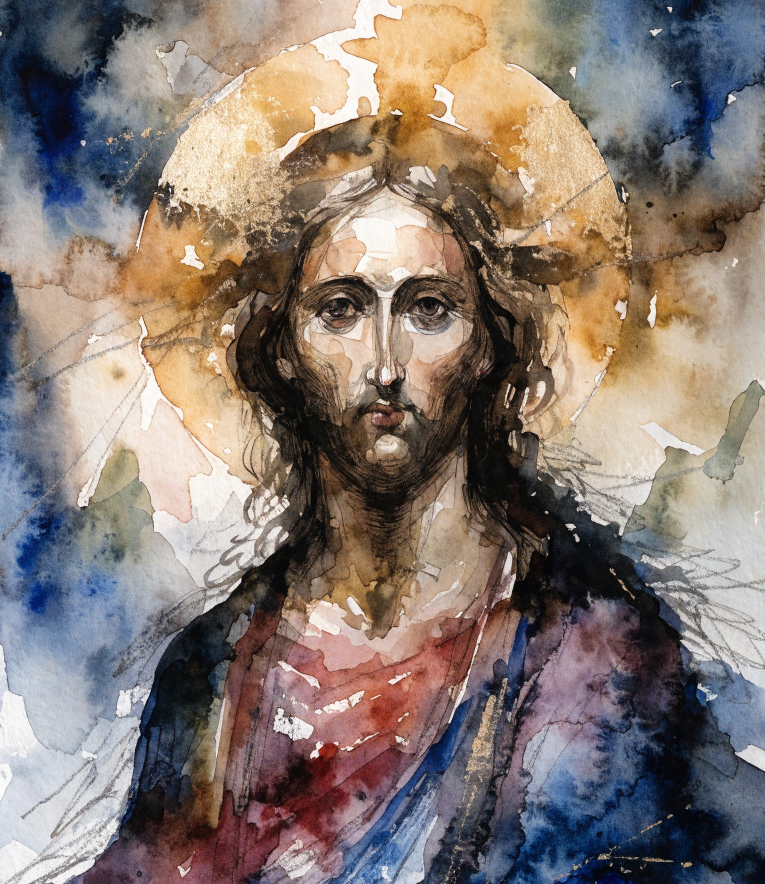
I realize some who read this may not identify as having an active relationship with Jesus Christ, but for me, the place I have to start is Scripture. I need to know what truth God speaks over me — truth that validates me when the world is critical, silent, or indifferent. Instead of chasing approval from others, I need to be grounded in what the Bible says is true about who I am. Here is the truth I find in Scripture.
When Jesus was baptized by John the Baptist, Scripture says a voice from heaven declared, “This is my beloved Son, in whom I am well pleased.” Jesus hadn’t even begun His ministry, and His Father was already proud of Him simply because He was His Son. All of us long for that from a parent. But when our parents aren’t able to give it, we end up leaning on other sources.
As a believer, I need to go first to Scripture and find the verses that show how God validates us. Here are a few. (And yes — I did use AI to help compile this list.)
📖 Scripture That Shows How God Validates Us
These passages aren’t about performance. They’re about identity — who you are before you write a word, help a client, or receive a single “thumbs up.”
Loved
“I have loved you with an everlasting love.” — Jeremiah 31:3 Before achievement. Before approval. Loved.
Chosen
“You are a chosen people… God’s special possession.” — 1 Peter 2:9 Chosen means wanted. Not overlooked. Not forgotten.
Known
Psalm 139 reminds us that God knows our thoughts, our wounds, our longing for approval — and still calls us His.
Seen
“You are precious in my eyes and honored, and I love you.” — Isaiah 43:4 Seen is validation. Honored is validation.
Enough
“My grace is sufficient for you.” — 2 Corinthians 12:9 Sufficient means enough. Not “almost enough.” Not “enough if others approve.”
Crafted
“We are His workmanship…” — Ephesians 2:10 Workmanship means intentional, purposeful, designed — not accidental or needing applause to prove worth.
Called
“He who calls you is faithful.” — 1 Thessalonians 5:24 Your calling isn’t validated by response. It’s validated by the One who calls.
Held
Psalm 34:18 says God is close to the brokenhearted — including the validation‑wounded. Held is belonging. Held is identity.
🧭 Practical Ways to Validate Yourself
These aren’t self‑help tricks. They’re grounded practices that align with your story, your faith, and your personality.
1. Name What’s True, Not What You Fear
When the wound flares, your mind says:
- “I’m not enough.”
- “My work doesn’t matter.”
- “No one cares.”
Replace fear with truth:
- “I am chosen.”
- “I am seen.”
- “My work has value even if it’s quiet.”
This is not positive thinking. It’s recalibration.
2. Practice Internal Applause
When you finish writing, say:
- “This was good work.”
When you show up for a client:
- “I did well today.”
Internal applause is not arrogance. It’s healing.
3. Identify Your Validation Triggers
You already know some:
- silence from family
- low engagement on writing
- work numbers
- lack of feedback
Naming them reduces their power.
4. Build a Small Circle of Trusted Voices
Not the masses. Not the crowd. Not the internet.
Three to five people whose encouragement you trust — these are mine:
- LeeAnn
- My Mens Group
- My Celebrate Recovery Group
- My Friend Greg
- Other close friends.
Let them be your external validation — not the world.
5. Practice Enoughness
When you feel the spiral:
- pause
- breathe
- say, “This is enough for today.”
Enoughness is a spiritual discipline.
6. Anchor Yourself in Calling, Not Response
My writing and Work should be rooted in these qualities:
- obedience
- honesty
- faithfulness
- the work itself
Not by applause.
7. Let Silence Be Neutral
Silence is not rejection. Silence is not disapproval. Silence is not failure.
Silence is just silence.
You get to decide what it means.
8. Return to Scripture When the Wound Opens
Not as a band‑aid. As a reminder of identity.
Identity → truth → grounding → peace.

When I have the right kind of validation — from God, from myself, and from the right people — I feel peace and calmness. But when I let that validation turn into a wearisome need, I drift into a sea of unsureness. As you can see, this area of my life remains a work in progress. Al‑Anon has a saying: progress, not perfection. So I stay on the road of progress.
If you’re struggling with validation, I hope you’ll join me in the work — the slow, steady work of healing — so that one day, when we give a thumbs‑up, it’s because we have internal approval, and yes, even a bit of bad‑assery swagger. Thanks for reading and going on this journey with me. Until next time May your journey lead into peace, love, and grace.


Leave a Reply