by Michael French, MA, LPC
First moments
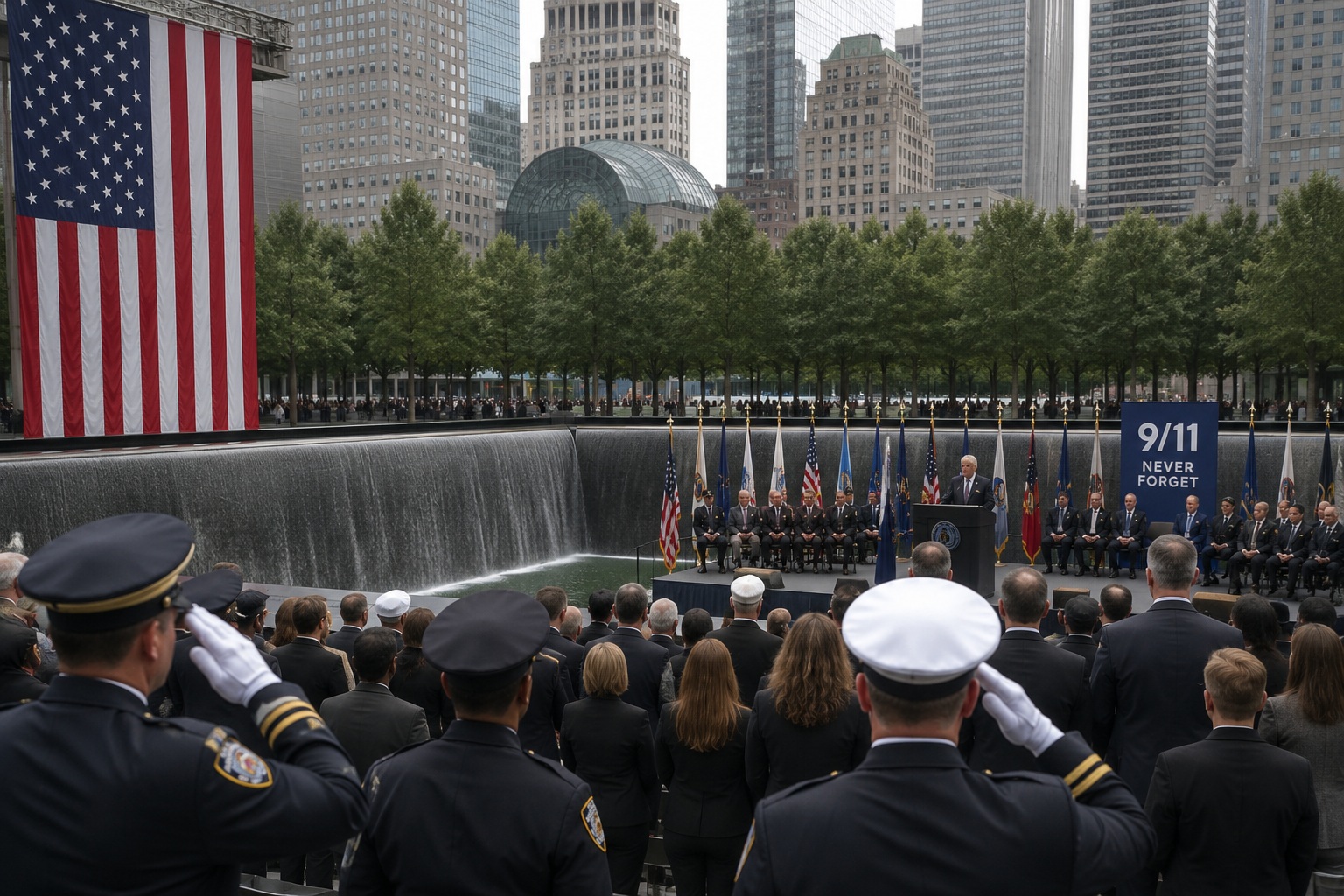
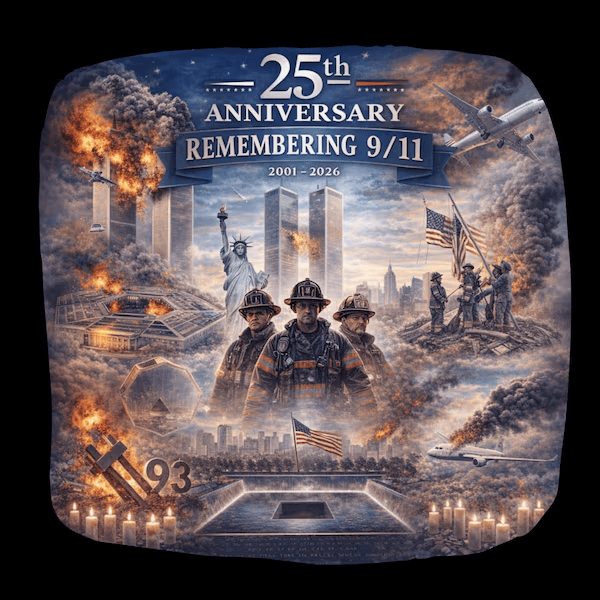
Hello. The title and the photo above really says everything about where my mind is today. The photo shows a memorial service at ground zero. I wanted to write something for the 25th anniversary of 9/11 — not a grand statement, just my own remembrances of that tragic and historic day. It was a day that pulled America together. A day stamped with one of those where were you when you heard? moments.
In 2001, I was 34 years old, very single, living in North Kansas City, Missouri with my roommate Jonathan. I was working two long-term part-time jobs: early mornings as a supervisor on the preload at United Parcel Service in Lenexa, Kansas, and afternoons/evenings at the North Kansas City Community Center — now a YMCA branch.
My first memory of that morning was standing in an area of the UPS building called West Center. I supervised loaders responsible for getting the brown delivery vehicles packed and ready. It was Tuesday, just another ordinary day of getting vehicles loaded until I heard one of the radios that a loader was playing. They had the station tuned to 98.9 The Rock. I wasn’t a fan of most of the music on that station, but shortly after American Airlines Flight 11 struck the North Tower, I heard something I had never heard on The Rock: ABC anchor Peter Jennings trying to describe what was unfolding in New York City.
Drivers were arriving for their morning runs, and the rumors started circulating. One thought he heard the White House had been hit. Another said a second plane had struck the South Tower. Still another person thought he heard the capital had been taken out. We still had the day’s deliveries to get out, but everything felt off-kilter — like the air itself had shifted. By the time I got to my car, American Airlines flight 175 did indeed hit the South Tower. Some of the rumers we were hearing were not true.
As soon as I left work, I was glued to the radio. All the local stations had switched to network coverage. I was driving northbound on I‑35 when the South Tower collapsed. Goosebumps hit me. I remember thinking, What’s next?
Not Making Sense
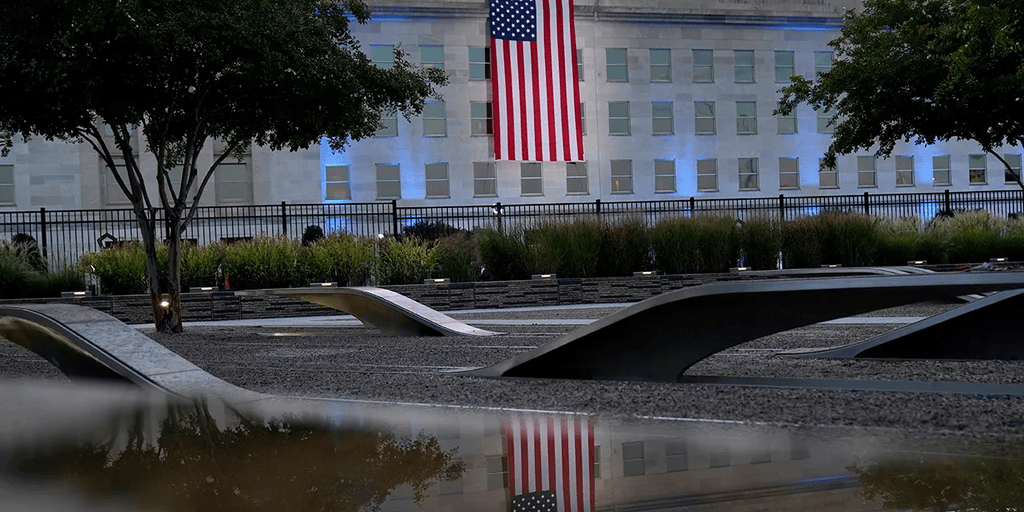
By the time the South Tower went down, I had made it home. I turned on the morning news — I think it was Good Morning America — and heard that another plane, American Airlines Flight 77, had struck the western side of the Pentagon. I didn’t have to be at my afternoon job until 2 p.m., so I stayed home and kept the news on, switching between channels, trying to make sense of what was happening.
When the North Tower buckled and collapsed, something in me said, Call your parents. Dad lived near Raytown, Missouri. He thought this could be the beginning of World War III and even mentioned that a nuclear response might be considered. Then I called Mom. I’m not sure why, but on that day I needed to hear their voices. Family connection mattered to us that day.
The videos of the planes hitting the Twin Towers and the footage of Flight 77 punching into the Pentagon were shocking and painful to watch. But if you remember that day, you probably understand — you couldn’t look away. I couldn’t either.
Then came the images of the people inside those buildings: ordinary workers, brave firefighters, police officers, paramedics. Hospitals were overwhelmed. Thousands were missing. New Yorkers ran through massive clouds of dust and debris. And then the footage no one forgets — people falling from the towers, choosing the only option they had left.
Bravery and courage showed up in ways most of us had never witnessed on that scale. The faces of the first responders climbing those stairwells said everything — determination, fear, resolve. They didn’t know what they would find. They didn’t know if they would make it out. Many didn’t.
“Lets Roll.”
By late morning, President Bush ordered all U.S. airspace closed — an unprecedented step, but one he had no choice but to take. The skies went quiet for days. But there was one plane still unaccounted for: United Flight 93.
Later reports showed that the passengers learned about the other hijacked planes through phone calls with loved ones and airphone operators. They understood what was happening. They knew what the hijackers intended. Some left final messages. One passenger, Todd Beamer, tried to call his wife but couldn’t get through. His call was routed to GTE Airfone supervisor Lisa Jefferson, whose notes and recollections became one of the clearest windows into what was happening on board.
Todd and Lisa prayed the Lord’s Prayer together. Psalm 23 was spoken. And then came the words that became part of our national memory: “Let’s roll.”
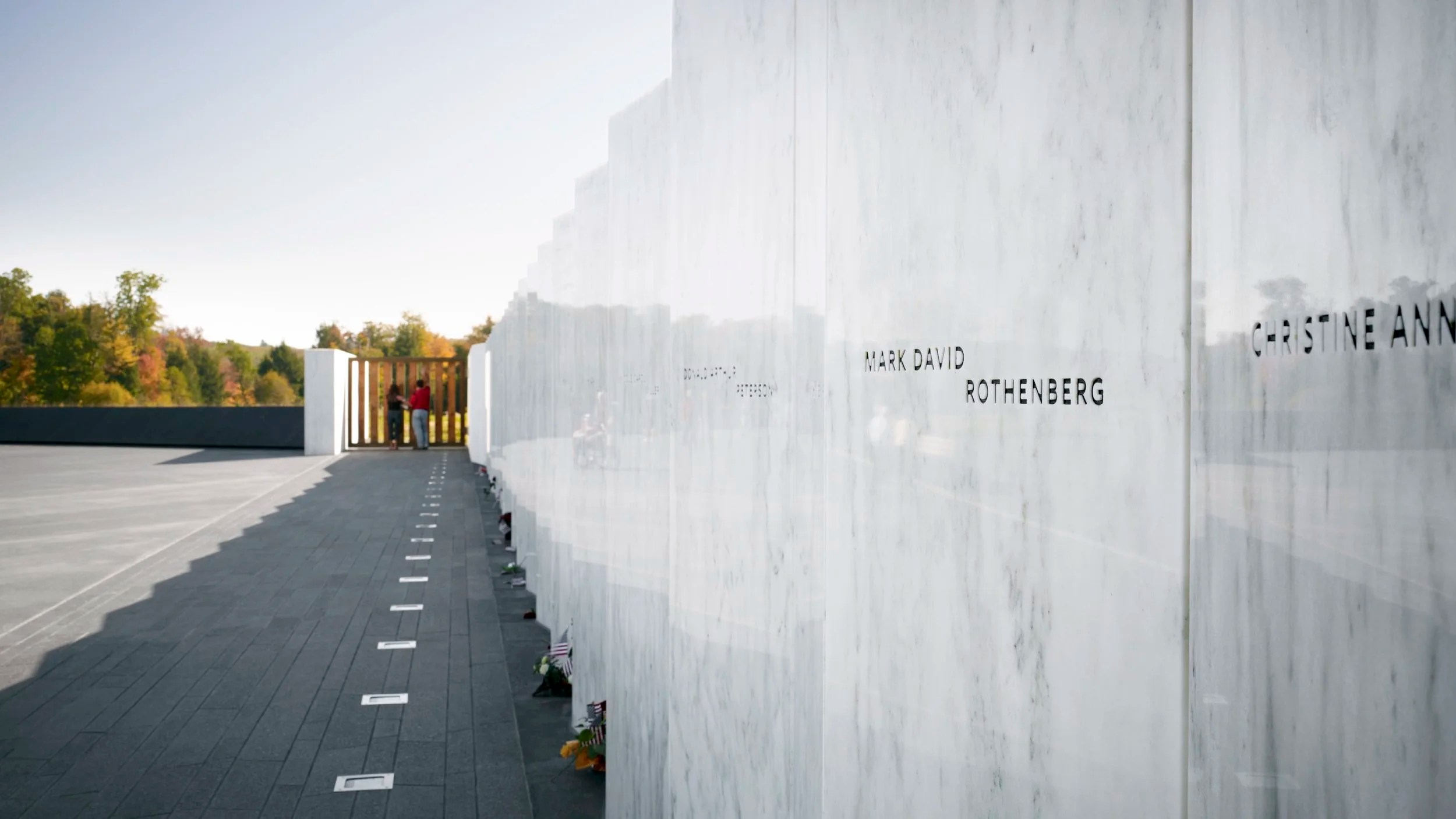
At 9:57 a.m., the passengers voted to rush the cockpit. Their attempt came within minutes of breaking through. At 10:03 a.m., the hijackers crashed the plane into a field near Shanksville, Pennsylvania, killing everyone on board — but preventing an even greater tragedy in Washington, D.C. Flight 93 was flying to strike the capital building.
Their courage, and the accounts of the families, air traffic controllers, and government officials who lived those moments, were later portrayed in the film Flight 93.
In those first hours, most of us were focused on what was happening in New York and Washington, D.C. In that sense, United 93 initially felt like a large footnote to the larger catastrophe unfolding on live television. But “Let’s roll” quickly became a rallying cry — a phrase that captured the courage, unity, and resolve that rose out of that terrible morning.
Local Response
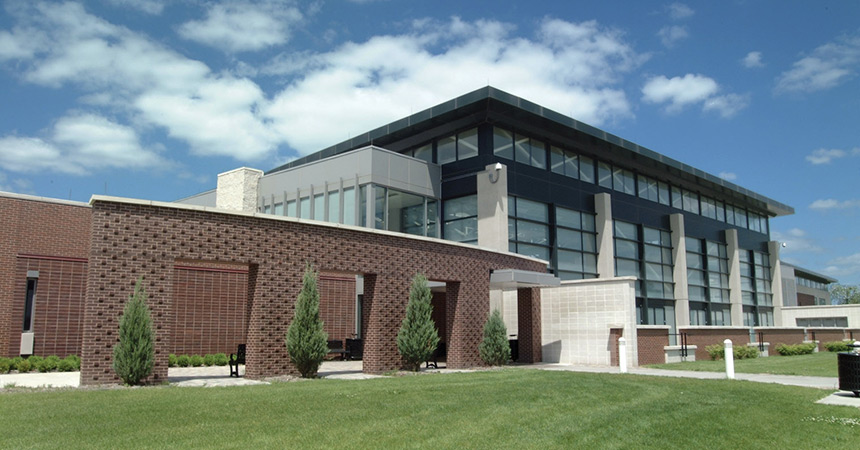
The North Kansas City Community Center had only been open for about a year. I started working there just days after the building opened in 2000, beginning at the Welcome Desk where we checked in members and day‑pass visitors. By September 11, 2001, I was settled into my afternoon routine and genuinely loved working there. The center drew people from all over the area, and North Kansas City had become a real melting pot of cultures. Our standing expectation was simple: everyone was treated with respect.
That afternoon, as news spread that the attacks were believed to be carried out by Islamic extremists, some of the Middle Eastern men who regularly used the facility kept to themselves more than usual. You could feel the tension in the air — not hostility, just uncertainty. Everyone was trying to process what was happening.
The federal government closed early that day, and several government employees came to the center, grateful to have a place to exercise, talk with others, or simply avoid being alone. We also saw people whose flights had been diverted, including some who ended up in Kansas City. Hotels opened their doors, and a few of those travelers came in for guest passes. Anyone without a membership got in free that day. Community mattered, and we did everything we could to make people feel welcome.
About an hour into my shift, another rumor started circulating: gas prices were about to skyrocket. In 2001, gas was around $1.50 a gallon — a bargain now — but one report claimed it could jump to $5.00. We had a TV running near the front desk, maybe even a radio, and the rumor spread fast. My tank was sitting at a quarter full, and I was nervous. I told my supervisor, Roby, and asked if I could run out to fill up. She agreed, and I ended up sitting in line at the Phillips 66 on Armour Road for about twenty minutes. Clearly, others had heard the same thing.
The government quickly announced that gas prices would not be rising and warned stations against price gouging. Looking back, that was the first time I ever saw panic buying. In 2020, during the COVID era, none of us could have imagined that panic buying would become a national trend — especially over toilet paper of all things.
Later that night, President Bush addressed the nation, and the beginning of his speech struck me deeply. His words captured the unity and connection our country felt in those first hours after the attacks:
“Today, our nation saw evil, the very worst of human nature. And we responded with the best of America — with the daring of our rescue workers, with the caring for strangers and neighbors who came to give blood and help in any way they could.”
“Strangers and neighbors.” We saw that sense of community play out in countless ways. At 7:45 p.m. EST on September 11th, both houses of Congress stood together on the steps of the Capitol and sang God Bless America. At UPS, where I worked in the morning after, upper management and our local union representatives — in a rare show of unity — handed out small American flag pins for us to wear. We even paused for a moment of silence to honor those who were lost and those who gave their lives.
Days later, on September 14th, Billy Graham delivered an address at the National Cathedral during the 9/11 Memorial Service. He had long been called “America’s Pastor,” and his words carried the same weight of hope and meaning that we needed then — and still need today. Click the video below to watch his message in it’s entirety.
I’ve been thinking about the changes our country and world have seen in the last twenty‑five years. That unity and sense of closeness we felt in the aftermath of 9/11 — the way people looked out for one another, the way strangers became neighbors — seems harder to find today. Division, fueled in part by political dogma, has kept many people from feeling united. COVID, just six years ago, brought some people together but pushed others further apart.
President Bush’s address to Congress in the days after the attacks carried a charge to “be ready” for whatever came next. At the time, there was broad agreement. But as the war dragged on and more lives were lost, and with an exit strategy that wasn’t clearly defined, that American‑united feeling began to dim. The clarity of those early days gave way to fatigue, disagreement, and the slow unraveling of the unity we once felt so strongly.
So what does the story and message of 9/11 teach us today? What have we learned from that season in history?
Unity doesn’t come from a political party or even a brand of religion. For me, it comes when I decide daily to lean into walking with others — carrying and sharing burdens in the ways I’m able. It’s something I try to do each day when I sit with clients or with wife, family and friends. I saw that in the days after national tragedies like Pearl Harbor and 9/11, and I’ve seen it in smaller moments throughout my life. It doesn’t take an attack or a tragedy to bring out the best in us. It’s a choice each of us makes inside.
I think Jesus summed it up best when He gave a new commandment: to love your neighbor as yourself. You could feel that twenty‑five years ago. I saw it in the faces of people who tried to save lives and find those buried in the rubble. I saw it in people who gave their time and their sacrifice.
When I think about what it really means to love your neighbor, one person comes to mind. A dear friend of many of us that attended Pleasant Valley Baptist Church 25 years ago truly loved his neighbors as himself. He was a behind‑the‑scenes guy, rarely calling attention to himself. Roger Bashford was part of my friend group. We didn’t know it then, but his story was about to intersect with 9/11.
A few months before 9/11 happened, Roger had shared with me that he was having some leg pains. After going to the doctor, he received the news no one wants to hear: cancer. It had already spread to the lymph nodes when he was given the diagnosis. They gave him just months to live.
The last time I saw him was at a large gathering of friends. I think it was around Labor Day that we had the party. Some traveled from out of town just to be part of the fellowship. I remember watching Roger gazing at everyone, probably knowing he wouldn’t be seeing many of those gathered again. Roger lived out his remaining days as best he could. He shared with friends that he didn’t want people to turn from God because of his painful struggles with cancer at the end. From my understanding, he slipped into a coma around or on September 11. He never woke up and passed away the next day, on the 12th.
I believe the best qualities of being a neighbor and kind to others are still very present today. We just have to live it out more intentionally. Maybe the best way to honor that day is simply to live out that kind of neighbor‑love in the ordinary moments we’re given.
Thank you for reading. I’d like to hear your thoughts about the impact 9/11 had on you. What have been your takeaways from the experiences you had?
Next time, I’ll have another reflection piece to share with you — about my sister Shelley. September is National Suicide Awareness Month, and I want to share about her life and how her death shifted our family’s trajectory.
Until then, may you journey deeper each day into peace, love, and grace.


Leave a Reply