This is Part 3 of The Masculine Wound Trilogy — a three-part series exploring masculine identity and healing.
- Part 1: Journey Into Masculine Vulnerability
- Part 2: Journey Into Reflections on My Father
- Part 3: Journey Into The Father Wound (you are here)
By Michael French, MA, LPC
Hello, and welcome to another episode of Journey Into. Someone recently asked me why I use the “Journey Into” tag. My book is titled Journey Into Grace, and this website feels like its cousin — exploring themes that have shaped my life. But the deeper inspiration actually came from a 1970s television show called In Search Of…, hosted by Leonard Nimoy. Each episode explored a place, an idea, or a mystery: In Search of Noah’s Ark, In Search of Atlantis. I loved the sense of discovery, the archaeological dig into things hidden beneath the surface. This website serves a similar purpose. Every piece here takes a deeper dive into a topic that has mattered in my life.
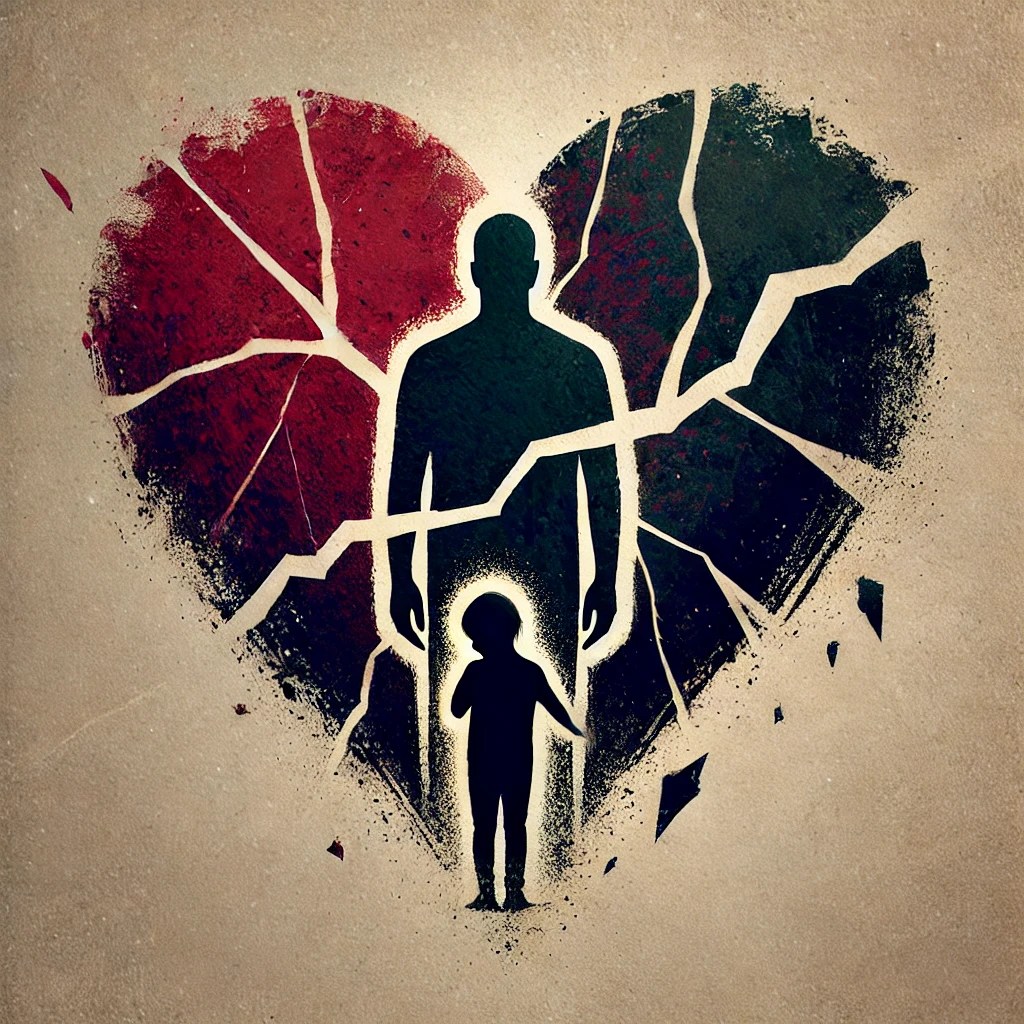
Today’s post takes a dive into a wound that often remains invisible on the outside but can be very active internally, shaping beliefs, behaviors, and identity. It’s the Father Wound. The term has gained traction in psychological and therapeutic circles over the last few decades, and many organizations have built seminars and written books around it. With the rise of divorce over the last several decades, many men and women have lived with this wound. In my recent articles, I’ve written about masculine vulnerability and shared a remembrance of my father. I experienced the father wound early in life. I’ll share some of my story, how it formed, and how I’ve worked toward healing. My dad and I shared a common denominator — we both carried the father wound.
A Story From the Counseling Room
When I counsel men and women, many have shared their own past struggles with their parents. Quite a number had never heard the term father wound. If you’re not familiar with it, here is a basic definition.
From the website ScienceInsights: “A father wound is the lasting emotional impact of growing up with a father who was absent, emotionally unavailable, overly critical, or abusive. It’s not a clinical diagnosis you’ll find in a diagnostic manual, but it describes a real pattern that therapists see regularly: the ways a father’s failure to provide consistent love, safety, and validation during childhood shapes how someone relates to themselves and others well into adulthood. The wound can come from a father who was never around, or from one who was physically present but emotionally checked out.”
As parents, we model behavior to our children. We serve as reference points for moral views, beliefs, and approaches to life. That modeling has a deep impact. Our parents also modeled behavior to us. When a father is distant — physically or emotionally — or struggles with addiction, that modeling can warp a child’s understanding of relationships, identity, and safety.
I recall one person I worked with early in my counseling career. They were a recovering drug addict and had a history of harming loved ones while under the influence. Their father wound surfaced clearly during a letter they wrote to their now‑deceased father — part of an exercise counselors often use called the empty‑chair technique.
In the letter, they shared how confusing their father had been. A firefighter by day and a drug dealer at night. On one hand, a hero. On the other, a villain. That contradiction created a deep internal struggle as they grew into adulthood. It shaped how they treated others. Some of the same patterns that began with their father continued with them well into their adult life.
Closer to Home
My wife and I were foster parents for seven years. Some of the kids we cared for had terrible examples of fathers. Some fathers weren’t present at all. Others were present, but inflicted harm on their children or worse. I remember feeling anger when I heard their stories, especially when dads failed to give their kids even a basic model of what healthy fatherhood looks like. We focused mostly on teen girls, and many of them struggled in relationships with boys. My wife and I tried to give them an example of how a man should treat a woman. They saw that daily while living with us. But even with a few months of consistent modeling, many of their patterns had already been shaped by what they saw in their own homes. Those early examples were hard for them to let go of and even harder to replace with a new way of living and relating. And with the girls who are still in touch with us, I’ve learned that even when we offered a healthier model, it didn’t necessarily mean they would find full healing until much later.
Seeing these examples of the wounds a father passes on to their children made me think about my own story. Often the reason a father wounds his child is because he carries a similar wound himself.
My Story

The image above — definitely does not describe me. In previous articles, I wrote that my dad was present but emotionally distant. He never abused me physically, nor did he introduce me to drugs. But he was far more concerned with the outside façade of life than with the morals, values, and beliefs shaping me. He hoped I would become the star athlete in school. He wanted me to follow in his footsteps into the military. But this son turned out different. I had two left feet and wasn’t very athletic. I tried, but being a sports figure wasn’t in the cards for me, nor was it my calling. Dad made a strong effort to push me toward the military. I admire the men and women who serve, but it wasn’t me. I didn’t feel emotionally or physically ready for that kind of change.
In high school, he took me on a “recruiting” trip to West Virginia. We saw Mount Vernon and toured various spots in Washington, D.C., including the Smithsonian. But the place he thought would seal the deal was a day spent at Quantico. He believed that experience would change my mind and convince me to take the oath. It didn’t. It just wasn’t for me. When I graduated from Northwest Missouri State University in August 1989 — the first person in my family to earn a college degree — he shared a thought I never forgot. He said he was proud that I graduated from college but equally ashamed that I didn’t pursue the military.
With sports, I think Dad unintentionally took the joy out of it for me. He had high expectations and was often critical when I didn’t perform well. Not hateful, but not encouraging either. I felt pressured. If he could have been more encouraging and simply loved me as me, things might have been different. When he saw I wasn’t excited about participating in sports, he turned his attention toward my sister. For a few years, she was actually quite good. She excelled in baseball and basketball. I sometimes wonder if she did it just to please him — and when she didn’t receive the affirmation she hoped for, she stopped playing.
The first time I heard the phrase father wound was when I participated in a men’s group called Men’s Fraternity. It was a Christ‑centered ministry with a three‑year program designed to help men face their wounds and move toward healing. I completed two of the three years, but even that was hugely impactful in my healing journey. When they introduced a session called “Remember Dad,” the first symptoms of my own father wound began to surface.
Some of the symptoms I felt came directly from having an emotionally distant dad.
I never felt like I could openly talk to him or go deep. I hoped I could talk to him about girls or my faith in Christ — things he had no interest in. I longed for an honest heart‑to‑heart with him. When I was in my early twenties, I got into some trouble at a job I was working at. I went to Dad about it, and he showed no emotion. He basically said, “So you got caught.”
As I struggled to connect with him, one Father’s Day I bought him a coffee mug. I did it out of duty, not desire. That Thanksgiving, when I was home from college, I wrote him a letter trying to express my frustration. He read it while we sat at the kitchen table — just the two of us awake. He asked me two questions: if my mother knew about the letter, and if what I wrote was truly how I felt. I told him no, she didn’t know, and yes, sadly, it was how I felt. I didn’t like admitting that. He looked at me and said, “Okay,” then got up and walked away. He never mentioned the letter again.
Dad often gave me the world’s advice. When I was twenty, my parents had divorced, and while I was growing in my faith, I was struggling in other areas. There was a girl — the first time I really wanted to be intimate with someone. She was different, and a few years younger than me. I knew it wouldn’t be wise to pursue it. So I went to my dad. I wanted him to tell me not to do it. To talk me out of it. But all he said was, “If you do it, make sure you have a condom.” He wasn’t able to address the emotional or spiritual struggle within me. He couldn’t help me process emotions during my teen and early 20s. He only saw the surface and the physical. After those experiences, I didn’t open up to him very often. Regarding the girl, I chose not to go there.
Dad couldn’t see me beyond being his assistant. It wasn’t until later in life that I realized he didn’t do a great job teaching me life skills. I learned those from my mom or later from YouTube. To this day, at 59 years old, I’ve never changed the oil in my car. I took it to Jiffy Lube. When Dad worked on the car, I held the light. I don’t know if he believed I could learn those skills. Years later, when my wife was painting the interior of our house, I took the role of assistant again — mastering the art of putting blue tape around areas not to be painted. When she asked why I didn’t try painting myself, it was because I thought I’d fail or make a mess.
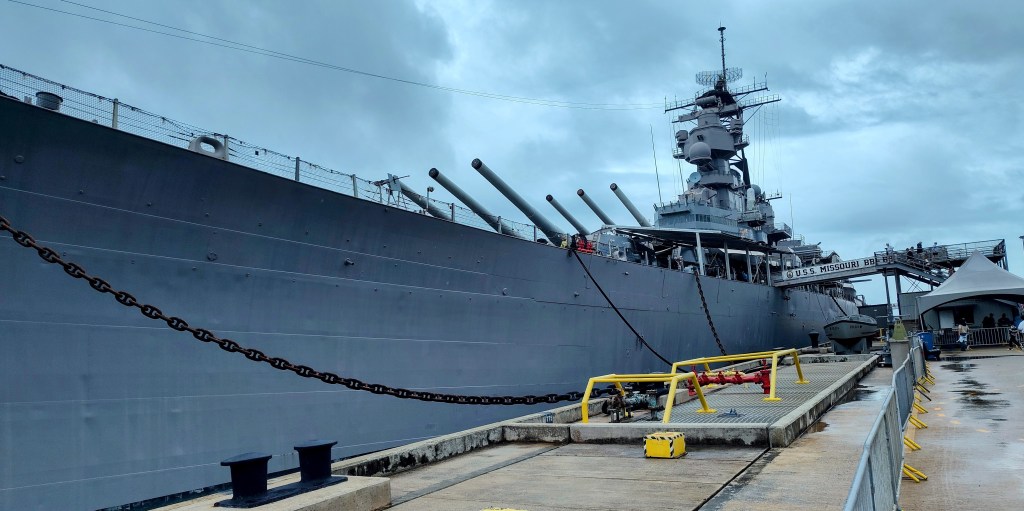
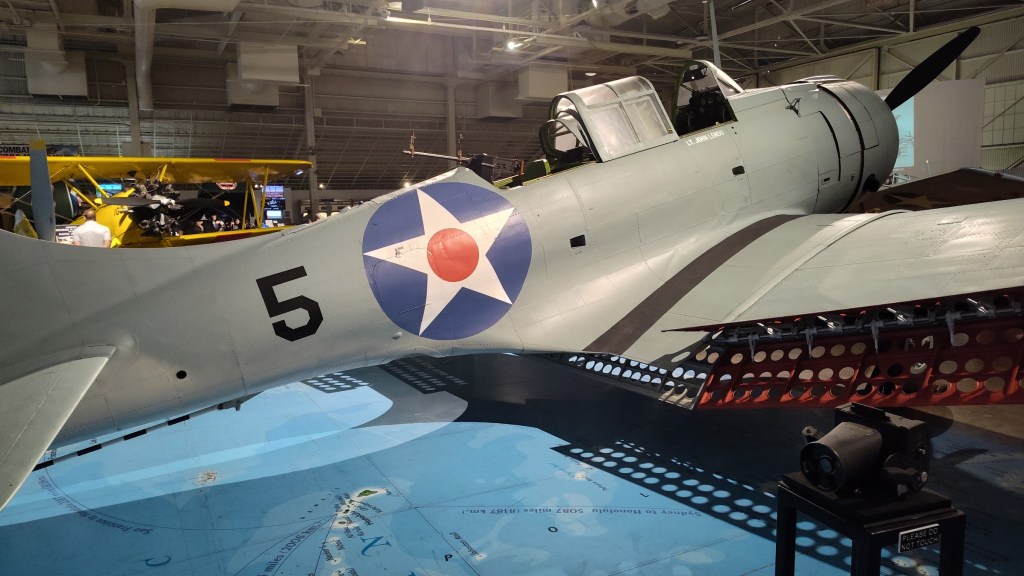
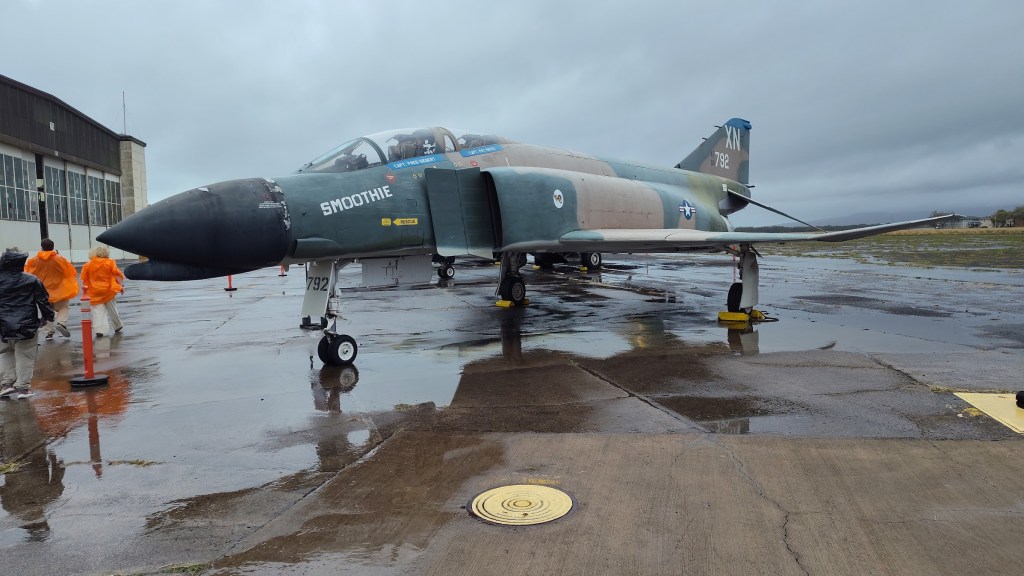
One thing Dad and I enjoyed when I was younger was building models. I think he used that to explore his own youth, which had been robbed by broken parents. We joined a model club and built things like the F4J Phantom jet used during Vietnam, an Cobra attack helicopter, a World War II fighter plane, and even the battleship Missouri. But much like holding the light, I didn’t really build the models. Dad had great fun assembling them. I was the assistant, touching up paint. When I was in seventh grade, I discovered Star Wars models and decided I was done being the assistant. I built and painted many myself. Dad asked to help, but I refused. I needed to do them on my own. I built several models from the movies and even won a couple of awards for my efforts.
On an interesting note about the models: in 2025, my wife and I took a bucket‑list trip to Hawaii, and visiting Pearl Harbor was a must. After doing my own healing from the father wound, I was able to see the actual fighter jets, planes, helicopters, and the battleship Missouri — the same ones Dad and I had built together. Seeing them in person gave me a connection with him that I think had been buried for a long time.

Other symptoms of the Father Wound
So at this point, maybe some of you can relate a bit. Here is a more consise list of a top 5 list of symptoms of the Father Wound. See if you identify any you relate to.
1. Difficulty with emotional openness Growing up without a safe place to talk about deeper feelings often leads to shutting down, avoiding vulnerability, or feeling unsure how to have a heart‑to‑heart conversation. It becomes easier to stay on the surface than risk being dismissed or misunderstood.
2. Feeling “not enough” or pressured to perform When a father’s approval seems tied to achievement — sports, grades, career, image — a child can internalize the belief that love must be earned. This often shows up later as perfectionism, self‑criticism, or a quiet fear of disappointing others.
3. Confusion about identity and direction A father who is distant or focused on his own expectations can leave a child unsure of who they are or what they want. Decisions feel heavier. Confidence feels shaky. You end up pulled between your own instincts and someone else’s blueprint for your life.
4. Seeking guidance but receiving only surface‑level advice When emotional or moral conversations weren’t modeled, a father may offer practical or physical advice but miss the deeper struggle. This leaves a child without the tools to process emotions, relationships, or spiritual questions — and often leads to looking elsewhere for wisdom.
5. Becoming the “assistant” instead of the son or daughter A father wound can show up in subtle ways: being present but not included, helping but not being taught, watching but not being mentored. You end up doing tasks rather than learning skills, supporting someone else’s interests rather than discovering your own.
The Road to Letting Go and Healing
You can probably see that I carried many of these symptoms. The men’s group I’m part of — E6 Ministries — holds retreats twice a year using John Eldredge’s Wild at Heart material. My first Wild at Heart Bootcamp was in 2023. I met men from all walks of life, and when it came time to look at the father wound, the teaching — and the conversations with those men — spoke directly to me. It helped me identify what had been shaping me for years and, more importantly, showed me how to begin releasing the resentment this wound had held over me.
What follows is something I originally wrote in 2023 after that retreat, now remastered for today’s piece.
One of the workshops at the retreat focused on the father wound — something many of us carried, even if we hadn’t named it before. John Eldredge describes it this way: “Every boy, in his journey to become a man, takes an arrow in the center of his heart, in the place of his strength. Because the wound is rarely discussed and even more rarely healed, every man carries a wound. And the wound is nearly always given by his father.”
My father was present in my life, but validating me was difficult for him. I wasn’t the star athlete or the future military man he hoped for. And like many fathers, he carried his own wound. His dad left when he was six, and he never saw him again. His mother struggled with mental illness and wasn’t able to parent him well. Dad grew up without stability, without affirmation, and without a model of emotional connection. He never found healing from that.
During the retreat, we were asked to identify the messages our fathers left us — not through words, but through how they lived. These were the ones I wrote down:
- People can’t change. Dad rarely shifted his views or habits unless his health forced him to.
- Intimacy and emotions aren’t safe. Vulnerability was rare for him.
- I didn’t measure up. I didn’t fit his picture of what a man should be — and he didn’t fit mine of what a father should be.
- Pride stays silent. After his death, coworkers told me how often he talked about me. He just couldn’t say it to me.
- Boundaries equal rejection. When I set healthy limits as an adult, he interpreted them as not caring.
- He didn’t know who he was. Near the end of my parents’ marriage, he admitted he didn’t know himself — one of the few moments of real vulnerability I ever saw.
The father wound had a lifelong impact on me. Some of my struggles began there. But it also motivated me to try to be different from him. I haven’t always succeeded, but I’ve kept trying. Leaning into God’s grace has been part of the healing work.
Another part of healing was how I viewed my dad. I hadn’t been very kind in how I talked about him. When connecting with other men, I often shared more of his flaws than his strengths. But during a session on the compassion of God, something shifted. I sensed God bringing my dad to my heart — not the man who wounded me, but the little boy who was wounded long before I was born.
I once had a picture of Dad at about five years old, shoveling snow. That little boy had no idea what his life would hold — the hurts, the losses, the trauma of combat, the responsibilities he wasn’t prepared for. Seeing him through that lens softened something in me. I began remembering the good moments between us, the things he did well, the ways he tried. I released some of my anger that weekend.
Compassion also turned inward. I realized I needed to be kinder to myself. Many of us are harder on ourselves than anyone else ever was. That, too, is part of the father wound. Showing compassion to my dad’s memory — and to myself — has helped release some of the pain this wound carried for decades. These things, too, get placed in my Heavenly Father’s care.
If the father wound is something you carry, here are three steps that can begin the healing process:
1. Recognize it Define it. Grieve what was put on you without your choice. Separate what was your responsibility then and what is your responsibility now. Identify the beliefs you learned from your father wound.
2. Forgive Extend grace to your father for his imperfections. Forgive him for the pain he caused. Say it out loud. Cry if you need to.
3. Reinvent your beliefs and rituals Rebuild your beliefs with an awakened, conscious mind. Reinforce them daily. Create small rituals that help you live out your new strength.
I would love to hear how you’ve dealt with this wound if you’ve experienced it. One other part of this journey for me has been my relationship with my Heavenly Father. He’s the one who helped me see my dad differently. I never held anger toward God because of my dad, but for many people, the father wound shapes how they feel about God.
My wife’s kids experienced this. Their father left when they were little, and at one point, LeeAnn’s youngest son struggled to see God as a loving Father because of the example he had from his earthly one. Today, as a father himself, I think he sees things differently.
So here’s a question worth sitting with: If you carry the father wound, how has it shaped the way you view God? Do you blame God for the actions of your father? Has it caused distance, anger, or mistrust?
Someone once told me, “If my earthly father failed me — and I was supposed to trust him — then how am I supposed to trust God?” That’s an honest question. And it’s one many people never say out loud.
I have found answers in the Bible. Many times we don’t see the answer because we aren’t looking for it. Scripture doesn’t ignore the reality that earthly fathers can fail us. It names it. It also offers a different picture of God — a Father who receives us when others don’t, who adopts us, who shows compassion, who steps into the places our earthly fathers couldn’t. Verses like Psalm 27:10, Romans 8:15, and Psalm 103:13 have helped me see that my Heavenly Father isn’t a reflection of my earthly one. He’s the one who heals what my earthly father couldn’t touch.
Thank you for reading. And of course, I want to add in closing that if the father wound impacts you, there is help. It doesn’t have to stay in your life as a hurtful, nagging presence. Seeing a counselor can be one way forward. Getting involved in a group like E6 Ministries or Wild at Heart was helpful for me, and there are women’s groups — both local and national — that offer similar support. Journaling is another powerful way to process this wound. There are resources out there: books, podcasts, and communities that take a deeper dive into the same territory I’ve explored here.
I’ve enjoyed putting this trilogy together — Journey Into Vulnerable Masculinity, Journey Into Reflections on My Father, and now this piece. Next time, maybe something a little less heavy. Until then, may your journey lead you into peace, love, and grace.
Author’s Note: Writing about the father wound has been one of the more vulnerable parts of my Journey Into project. These pieces came from years of reflection, healing, and learning to see my dad — and myself — with more compassion. If any part of this resonated with you, I’m grateful you stayed with me through it. My hope is that your own journey leads you toward clarity, courage, and grace. Thank you for walking with me through this trilogy.


Leave a Reply